
Notes from the research bench.
Protocols, peptide deep-dives and long-form education — written for thoughtful readers.

MOTS-c: The Mitochondrial Signal Peptide Blueprint
MOTS-c sits at the intersection of mitochondrial biology, exercise response, AMPK signalling and ageing research — a tiny mitochondrial-derived peptide that reframes mitochondria as signal generators, not just power plants.

Tirzepatide vs Semaglutide: A Research Comparison
Two incretin peptides, one shared receptor family, very different pharmacology. A side-by-side look at SURMOUNT, STEP, SURPASS and SURMOUNT-5 — without the hype.

BPC-157 + TB-500: A Research Stack for Recovery, Carefully Read
The two peptides most often paired in recovery research, with overlapping interest in angiogenesis and soft-tissue repair — and a much thinner human evidence base than the online conversation implies.

Peptide Reconstitution Math: A Research Reference
Reconstitution is three numbers and one equation. A clear research reference on the underlying pharmacology, the arithmetic, and the common errors — without dosing or self-use guidance.

Is This Peptide Legal in the EU? A Regulatory Reference
'Legal' is four separate questions, not one — manufacture and sale, marketing for human use, import and possession, and tested sport. The canonical Inner Circle Labs overview of EU / UK peptide status.
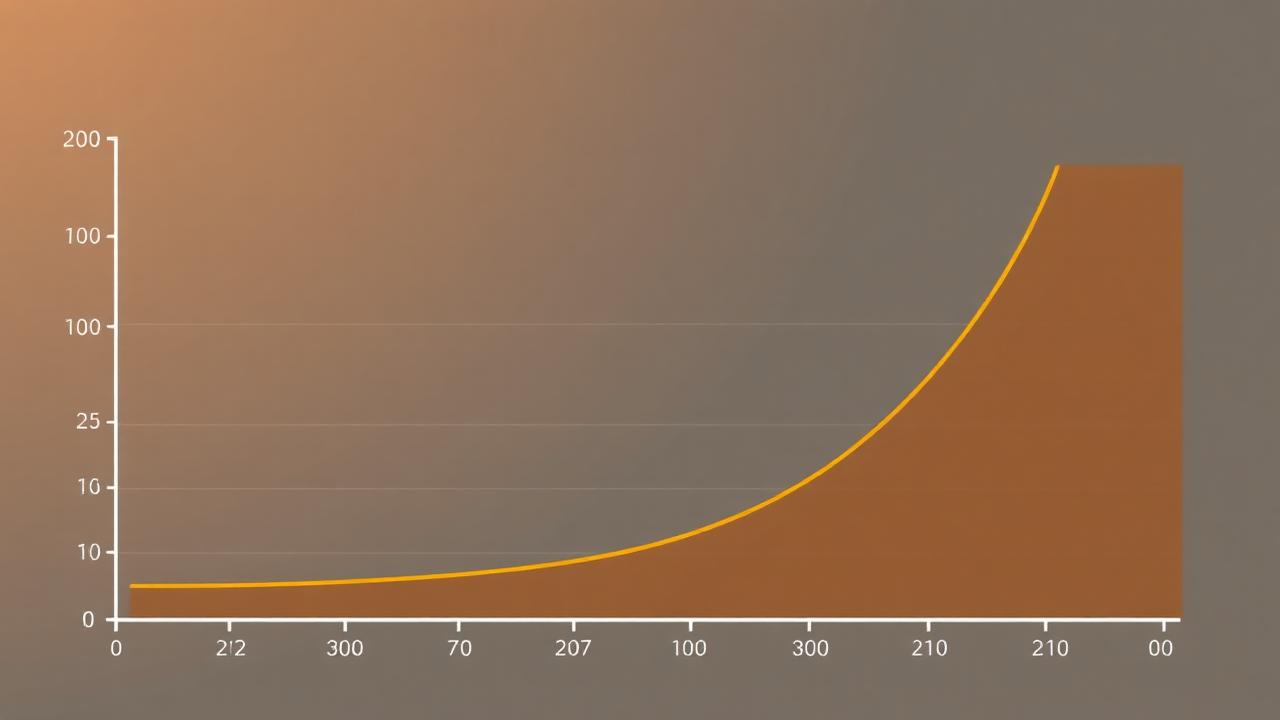
The Tirzepatide Plateau: Why Weight Loss Stalls
Almost every tirzepatide trajectory eventually flattens. The plateau is not a failure of pharmacology — it is the predictable interaction between an incretin signal and a defended body-weight set point.
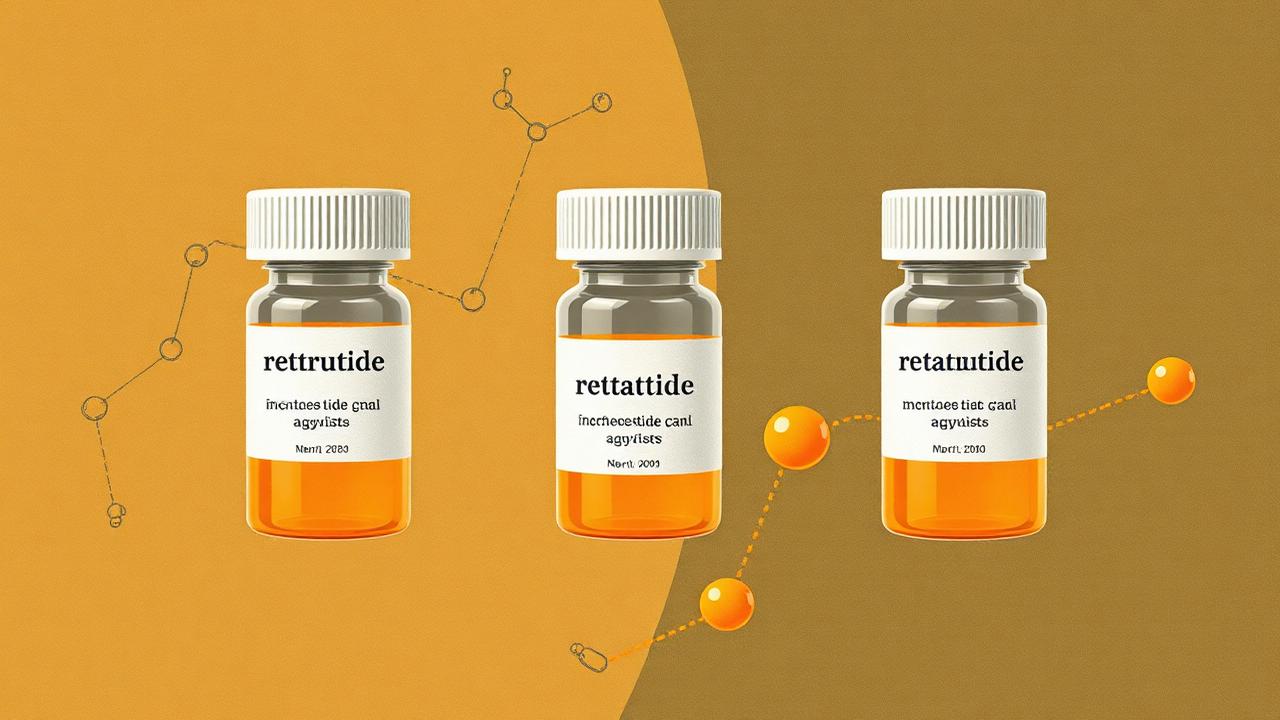
Retatrutide vs Tirzepatide: The Triple-Agonist Question
Retatrutide adds a glucagon arm to the GIP/GLP-1 backbone. The Phase 2 data look striking — the open questions are whether the third receptor changes safety, durability and lean-mass dynamics.

GLP-1 and Lean Mass: The Muscle-Preservation Question
Every aggressive weight-loss intervention loses some lean mass. The honest question is how much of that is structural muscle versus the obligatory cost of losing tissue — and what the literature shows.

GLP-1 'Microdosing': The Biohacker Debate, Carefully Read
'Microdosing' GLP-1s is a community term, not a pharmacological category. A research look at what the dose-response data say, what biohackers actually mean, and where the evidence stops.

Epitalon: The Pineal-Telomere Hypothesis, Carefully Read
Epitalon's mythology is bigger than its dataset. A research read on Khavinson's pineal peptide programme, the telomerase claims, and what the human evidence actually supports.
GHK-Cu: The Copper-Peptide Skin Literature, Read Carefully
GHK-Cu has decades of biochemistry and a serious cosmetic literature. The research question is where the in-vitro data, topical evidence and injectable claims actually meet.

CJC-1295 + Ipamorelin: The GH Secretagogue Stack, Read Carefully
Two complementary GH-axis tools — a GHRH analogue and a selective ghrelin mimetic — paired in nearly every secretagogue protocol. The pharmacology is cleaner than the marketing.

Selank and Semax: The Russian Nootropic Peptides
Selank and Semax come out of a parallel Russian neuropeptide tradition. Most Western readers meet them through nootropic forums; the underlying literature is older and more clinical than that suggests.

PT-141 (Bremelanotide): The Melanocortin Sexual-Response Peptide
PT-141 is one of the very few approved peptides for sexual response. A research read on the melanocortin pathway, the RECONNECT trials, and where the off-label conversation parts from the label.

Thymosin Alpha-1: The Immune Peptide with Real Approvals
Thymosin alpha-1 is one of the few research peptides with genuine regulatory approvals outside the West. A clear read on its immune mechanism, the Zadaxin programme, and what the human data show.

KPV: The Tripeptide Anti-Inflammatory Story
KPV is the C-terminal tripeptide of alpha-MSH — small, simple, and with a surprisingly serious gastrointestinal inflammation literature. A research read on what it does and what it doesn't.

SS-31 (Elamipretide): The Cardiolipin Mitochondrial Peptide
SS-31 binds cardiolipin on the inner mitochondrial membrane — a mechanism unlike almost any other research peptide. A look at the Stealth BioTherapeutics programme and what the late-stage trials show.
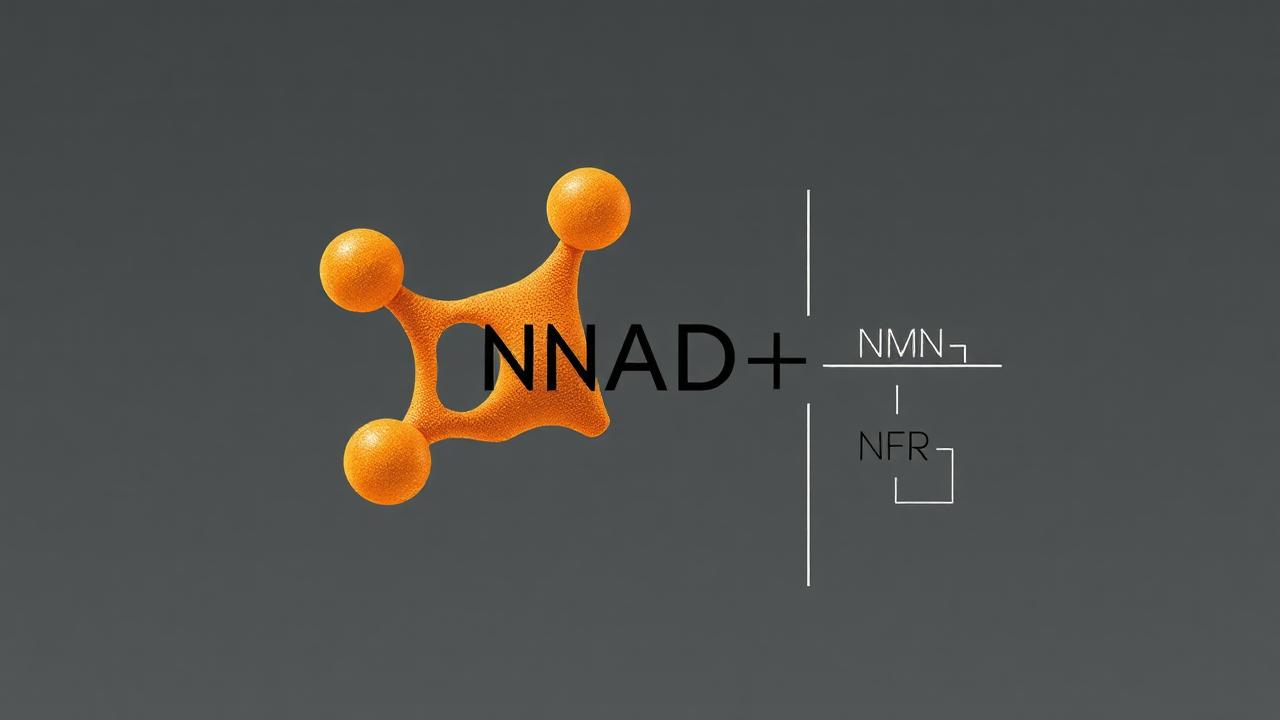
NAD+ vs NMN vs NR: The Precursor Pathway, Read Carefully
NAD+ is the destination; NMN and NR are two routes to get there. A research read on the salvage pathway, the human trials, and the open questions about absorption and tissue delivery.

Tesofensine: The Triple Monoamine Weight-Loss Compound
Tesofensine isn't a peptide — it's a monoamine reuptake inhibitor with one of the largest single-agent weight-loss signals on record. A research read on why that signal both excites and concerns regulators.
AOD-9604: The GH Fragment Fat-Loss Story
AOD-9604 is the C-terminal fragment of human growth hormone, designed to keep the lipolytic effect without the IGF-1 arm. The mechanism story is elegant; the clinical signal is much thinner.
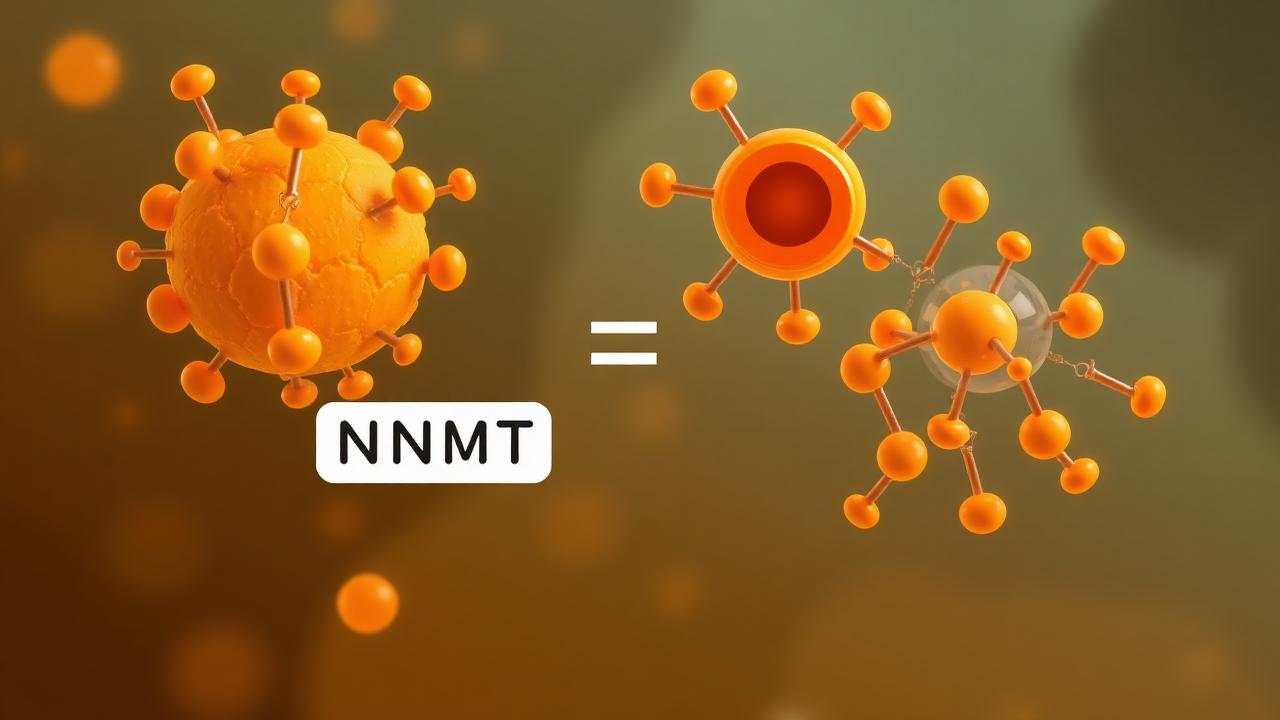
5-Amino-1MQ: The NNMT Inhibitor Story, Carefully Read
5-Amino-1MQ is a small-molecule NNMT inhibitor, not a peptide — but it lives in the same biohacker conversation. A research read on the enzyme, the adipose biology, and what the preclinical data show.

Peptide Stability: The Cold-Chain Story
Lyophilised peptides are more forgiving than the internet thinks, and reconstituted ones less so. A research read on the chemistry of degradation, the role of temperature, and what 'cold chain' actually means.
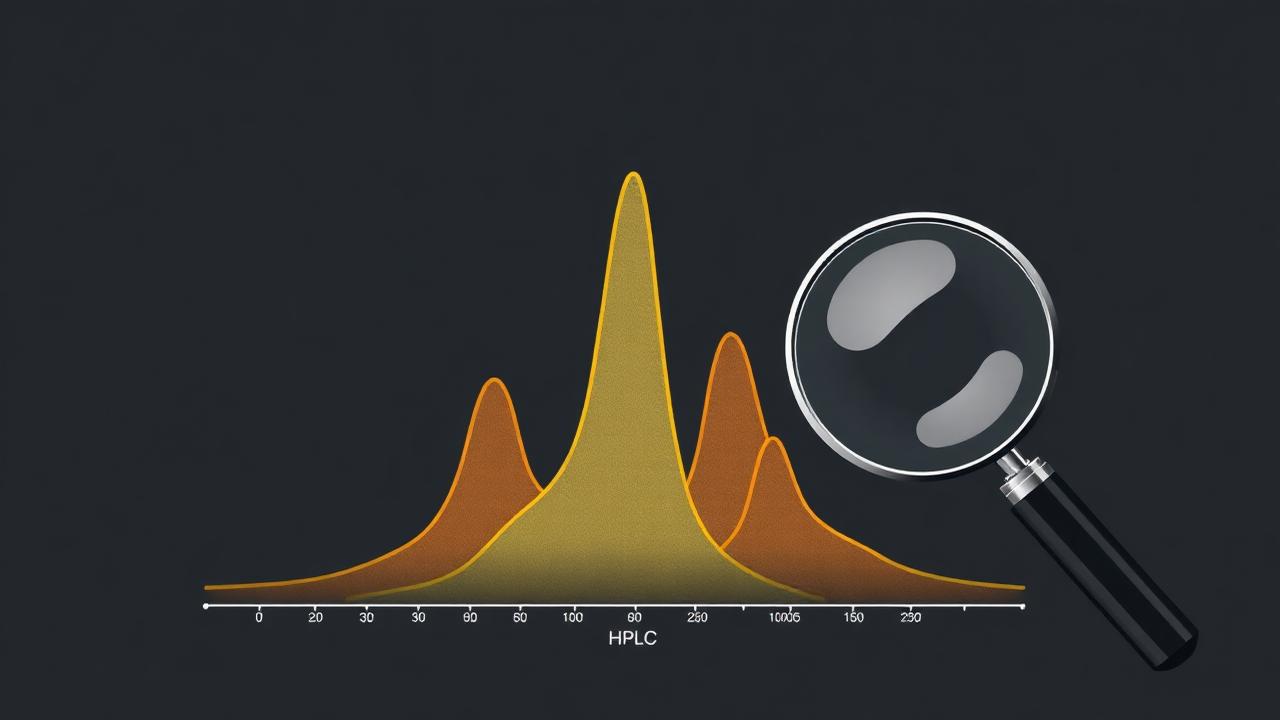
Reading a Peptide COA: HPLC, Purity and What Numbers Mean
A certificate of analysis is a small document with a lot of inferential weight. A research reference on what HPLC, MS and purity numbers actually tell you — and what they don't.

Melanotan II: What the Safety Literature Actually Says
Melanotan II is one of the oldest grey-market peptides and one of the most consistently flagged by national medicines agencies. A research read on the melanocortin pharmacology and the case-report literature.
Hexarelin and the GHRP Family: A Comparison
GHRP-2, GHRP-6, hexarelin and ipamorelin all hit the ghrelin receptor — but the selectivity, prolactin profile and tachyphylaxis stories differ more than the names suggest.