
Reading a Peptide COA: HPLC, Purity and What Numbers Mean
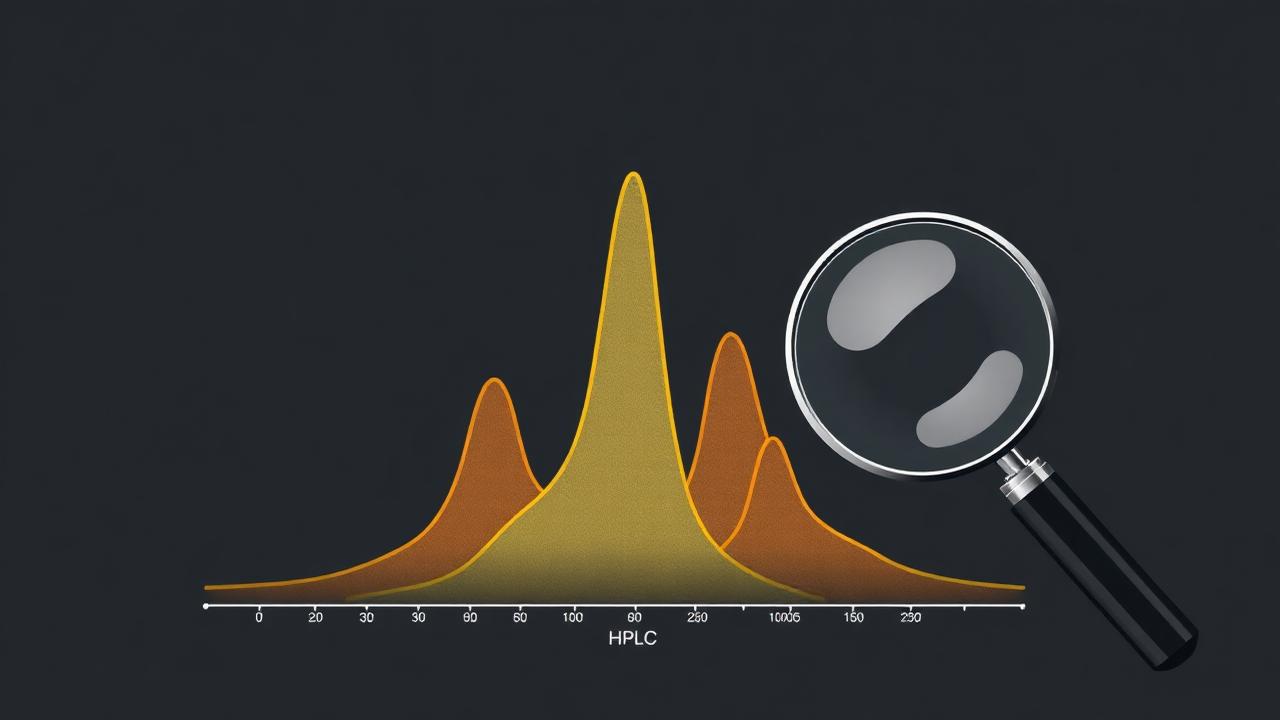
A 98% peptide is not the same as a 98% peptide. Certificates of analysis vary widely in what they actually document — and the difference between a sloppy COA and a real one is the difference between informed handling and educated guessing.
common minimum HPLC purity claim for research peptides; ≥98% is the standard for higher-quality lots.
mass spectrometry confirms peptide identity (molecular weight); HPLC quantifies purity.
the actual peptide fraction by mass — distinct from purity — accounts for water, salts and counter-ions.
a credible COA is usually a single technical sheet linking lot number, methods, retention times and spectra.
A peptide certificate of analysis is a technical document that should establish identity (mass spectrometry), purity (HPLC) and net peptide content (typically by amino-acid analysis or nitrogen analysis). The combination — not any single number — is what supports confidence in the material. Headline 'purity' figures without methods, peaks or instrumentation references are decorative rather than informative.
Identity, purity, content — three different questions, three different methods. A COA that does not answer all three is incomplete.
What a COA should establish
Identity: confirmation that the peptide present is the intended molecule. Done by mass spectrometry (ESI-MS or MALDI), which reports the molecular weight. The observed mass should match the calculated mass for the target sequence.
Purity: the fraction of the chromatographic peak attributable to the target peptide, with side peaks (degradation products, truncations, racemised forms) integrated separately. Done by HPLC under defined conditions; the chromatogram and method should be on the COA.
Net peptide content: how much of the powder by mass is actually peptide, with the remainder being water, counter-ions (typically trifluoroacetate or acetate from purification), and salts. Done by amino-acid analysis, UV absorbance against a calibration standard, or nitrogen analysis.
What each method tells you
| Layer | What the research describes |
|---|---|
| HPLC | Resolves the peptide and impurities; integrates peak areas to report % purity. Methods (column, gradient, detector) must be specified. |
| Mass spectrometry | Confirms identity by molecular weight; can also distinguish certain impurities (oxidation, deamidation give characteristic mass shifts). |
| Amino-acid analysis | Hydrolyses the peptide and quantifies amino acids; net peptide content. |
| Nitrogen analysis (Kjeldahl/CHN) | Bulk nitrogen content; converts to peptide content with assumptions. |
| Endotoxin / sterility | Separate tests — not standard on research COAs but increasingly available for higher-grade material. |
Different methods answer different questions. A COA that omits a category leaves that category undocumented, not magically satisfied.
How to read a chromatogram
Main peak
Should be sharp, well-resolved and dominant. The retention time should match expectation; the area should integrate to the claimed purity.
Side peaks
Small peaks before/after the main peak typically represent truncations, oxidation products, deamidations or solvent artifacts. Their identification is part of what separates a thorough COA from a generic one.
Method specification
Column, mobile phase gradient, detection wavelength (usually 214–220 nm for peptides) should all be on the COA. Without methods, the purity figure is unverifiable.
A common COA pitfall is reporting purity to two or three significant figures (e.g., '98.4%') without showing the chromatogram or stating the integration method. Numerical precision without methodological transparency is decorative.
Another pitfall: confusing purity with content. A peptide can be 99% HPLC-pure but only 80% net peptide content by mass because of trifluoroacetate counter-ion and bound water. Both numbers matter for any quantitative work.
What we know, what's still open
- HPLC purity ≥95% standard: Industry baseline for research-grade peptides.
- Mass spec identity confirmation: Necessary for any identity claim.
- Net peptide content: Often omitted on generic COAs; meaningful for quantitative use.
- Method transparency: Marks the difference between a real COA and a generic certificate.
- Lot specificity: Real COAs are lot-specific; generic per-product certificates are not equivalent.
Frequently asked
What's the minimum purity to look for?
≥95% is a common baseline; ≥98% with documented methods is the standard for higher-quality research peptides.
Why does net peptide content matter?
It tells you how much actual peptide is in the powder. Counter-ions and bound water can account for 20% or more of vial mass. Quantitative work needs this number.
Is mass spec enough?
Mass spec confirms identity but does not report purity. Both methods are needed.
What if the COA looks generic?
Generic per-product (not per-lot) certificates without methods, chromatograms or spectra do not constitute a credible COA. The information is incomplete.
Where to read further
- • European Pharmacopoeia / USP — peptide monograph methodology references.
- • Lebl M, Houghten R. Peptide synthesis and characterisation handbook (general reference).
- • ICH Q6A — Specifications for new drug substances (general principles).